August 31, 2026 · Shamrock Construction & Excavation
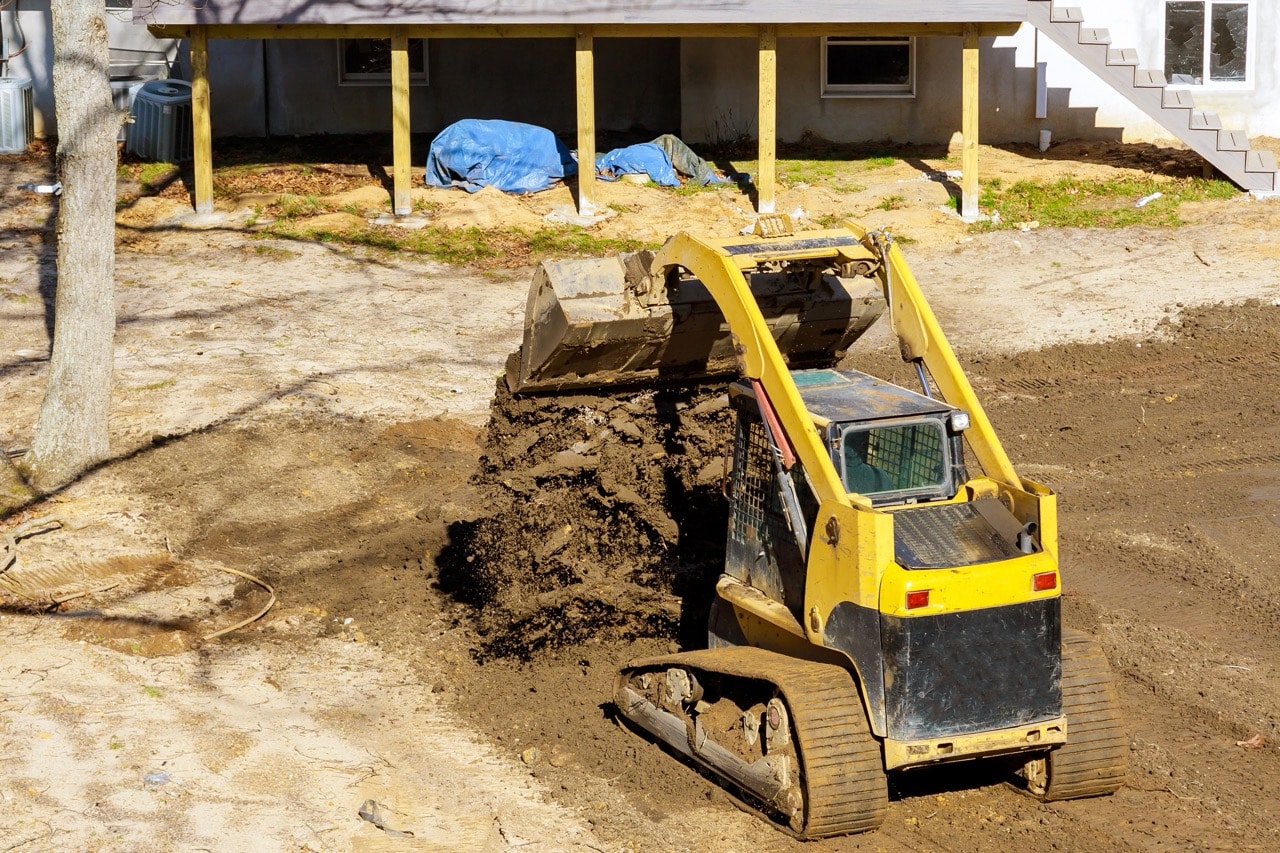
Grading is the unsung hero of yard health. When done correctly, it keeps stormwater and irrigation runoff flowing away from buildings and septic systems. When done poorly, it quietly sets up the most expensive problems a property can have.
Why Grading Matters for Septic Systems and Drainage
Septic systems depend on functional drain fields where effluent percolates into soil. When the surrounding ground is saturated, the soil cannot treat wastewater effectively, and the result is backups, odors and health risks. Poor grading around homes lets water pool near foundations, which risks basement leaks, frost heave and structural damage. Sound grading manages runoff, prevents erosion and preserves property value.
Key Grading Principles
- Slope away from structures. A minimum slope of 5 percent for the first 10 feet (about 6 inches of drop) away from foundations is a common guideline.
- Protect septic drain fields. Keep heavy machinery off drain fields and make sure the surrounding grade sheds water rather than collecting it.
- Respect soil permeability and compaction. Sandy soils drain quickly while clay retains water. Compaction reduces infiltration, and over-compaction near drain fields causes real harm.
- Control erosion. Use vegetation, mulch or erosion blankets on slopes to slow runoff and prevent soil loss.
Common Grading Problems and Warning Signs
- Persistent wet or soggy patches, especially near drain fields
- Slow drains, recurring septic backups or strong sewer odors
- Standing water after rain or irrigation
- Cracked or shifting patios, sidewalks or foundations
- Washouts, rills or visible soil erosion on slopes
Practical Grading Fixes
- Regrading and reshaping: adjusting slope profiles so water moves to safe discharge points.
- Swales and berms: shallow channels move surface water while berms divert it around vulnerable areas.
- French drains and perforated drain tile: subsurface drains capture excess groundwater and route it safely.
- Sump pits with pumps: for low-lying sites, sump pumps actively remove collected water.
- Surface drains and catch basins: useful on paved areas and driveways for rapid runoff removal.
- Vegetative fixes: native grasses, deep-rooted plants and groundcovers reduce erosion and improve infiltration.
When Grading Interacts With Septic Design
Septic siting and drain field design account for slope, soil percolation rates and groundwater depth. Altering grades around a drain field without professional consultation or permits can invalidate approvals or cause failures. Coordinate grading work with septic professionals before landscaping, driveway or site prep changes.
Local Factors That Affect Grading Decisions
Climate and soils matter. In freeze and thaw regions like Idaho, poor grading lets water freeze against foundations and pipes. Irrigation can seasonally raise groundwater and saturate soils. Site prep for new construction must consider frost depth, building pad compaction and drainage away from foundations and septic components.
Maintenance and Inspection
Routine inspection catches small problems early. After heavy rains or irrigation, check for new low spots, erosion or wet patches. Maintain slope vegetation, clear debris from surface drains and keep heavy equipment off drain fields. If water issues or septic symptoms keep coming back, schedule a professional inspection.
Cost vs. Value
Proper grading and early drainage fixes are relatively low-cost compared to drain field replacement, foundation repair or repeated septic pump-outs. Spending a little on dirt work now beats spending a lot on concrete and plumbing later.
Conclusion
Proper grading protects septic systems, prevents yard flooding and safeguards foundations. Simple fixes like regrading, swales or French drains often restore function quickly. If your Treasure Valley property is showing the warning signs, our crew handles drainage systems in Boise and septic repairs with straightforward pricing and local experience. Call (208) 919-4260 for a free estimate.