June 8, 2026 · Shamrock Construction & Excavation
Most homeowners think of a septic system as a black box that simply takes wastewater away. In reality, a typical household septic system has a tank that separates solids and traps scum, and a drain field where treated effluent percolates into the soil. Beneficial bacteria in the tank break down organic waste. When foreign materials or harmful chemicals enter this delicate system, they can cause clogs, kill bacteria, and saturate or biologically clog the drain field, triggering costly repairs or a full replacement.
Top Items You Should NEVER Flush
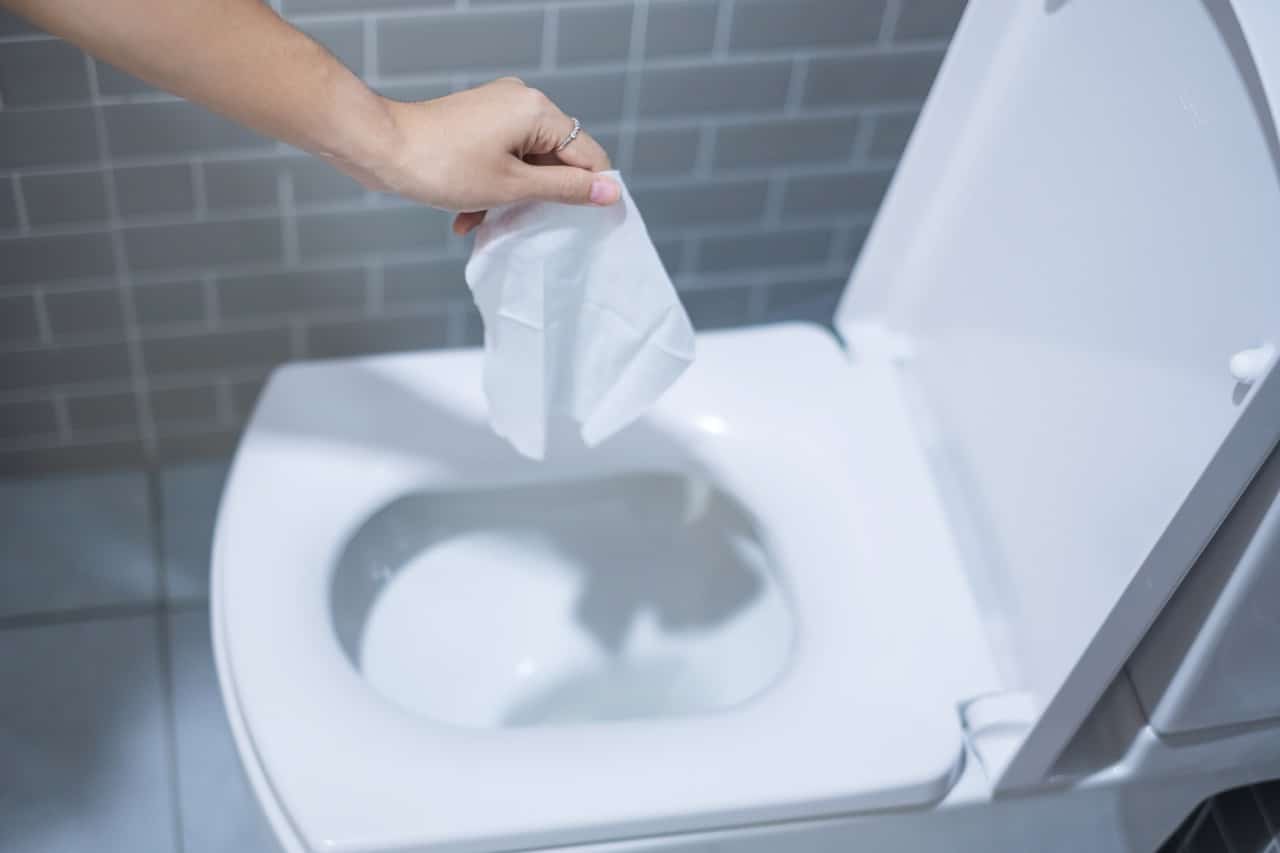
- “Flushable” wipes and baby wipes: These products do not break down like toilet paper. They can clog pipes, cause blockages at bends and joints, and pile up in the tank.
- Paper towels, kitchen towels, and facial tissues: Designed to be stronger than toilet paper, they don’t disintegrate quickly and will contribute to solids buildup in the tank.
- Feminine hygiene products and diapers: Absorbent materials expand and can block lines or overload the tank’s capacity.
- Cooking grease, fats, and oil: Liquid grease cools and congeals, creating blockages in pipes and forming floating scum layers that reduce tank capacity and harm the drain field.
- Coffee grounds and food scraps: These settle as solids and increase sludge accumulation, shortening the interval between pump-outs.
- Medications and antibiotics: Pharmaceuticals can pass through the septic tank and affect groundwater or kill the beneficial bacteria that keep the system functioning.
- Harsh chemicals and drain cleaners: Strong acids, lye-based cleaners, and heavy-duty solvents can destroy the bacterial population and damage plastic or concrete components.
- Paints, solvents, and pesticides: These are toxic to soil and groundwater and can damage the drain field.
- Cat litter (especially clumping): Clay-based litter does not break down and can clog systems and drain fields.
- Cigarette butts, condoms, dental floss, cotton balls, and bandages: Small but indestructible items that collect and create obstructions.
Why These Items Cause Damage
Septic systems are biological and physical treatment systems. Solids need to settle and bacteria need to digest organic matter. Items that don’t decompose increase solids accumulation and reduce the tank’s effective volume, forcing more solids into the drain field. Grease causes scum layers that limit the tank’s separation ability. Harsh chemicals reduce bacterial activity, leading to incomplete digestion and stronger odors, more solids, and faster drain field saturation. Over time, saturated or biologically clogged drain fields fail, requiring expensive remediation or replacement.
Signs Your Septic System Is Being Harmed
- Slow drains or recurring clogs in multiple fixtures.
- Toilets that gurgle or back up when other fixtures run.
- Wet, soggy, or unusually green areas in the yard above the drain field.
- Strong sewage odors near the tank or drain field.
- Higher frequency of required pump-outs or unexpected sludge during inspection.
Practical Tips to Protect Your Septic System
- Only flush human waste and septic-safe toilet paper. Even then, use moderate amounts.
- Never pour grease or cooking oil down the sink. Collect fat in a container and dispose with household trash once cooled.
- Limit chemicals: Use septic-safe, low-phosphate detergents and avoid antibacterial soaps when possible. Do not pour paints, solvents, or pesticides into drains.
- Dispose of meds properly: Use take-back programs—do not flush pills.
- Install an effluent filter: Filters at the tank outlet reduce solids leaving the tank and protect the drain field.
- Pump regularly: Most systems need pumping every 3 to 5 years depending on household size and usage; more frequent if you use a garbage disposal or have high solids generation.
- Spread out water use: Stagger laundry, dishwashing, and showers to avoid overloading the system.
- Protect the drain field: Do not drive or park on it, and avoid planting deep-rooted trees nearby.
When to Call a Professional
If you see signs of failure—backups, soggy spots, or persistent odors—call a qualified septic professional right away. At Shamrock Construction & Excavation, we offer septic inspections, video camera diagnostics, pump-outs, and drain field repair or replacement. Proper diagnosis prevents unnecessary digging and focuses repairs where they are truly needed. For commercial kitchens or restaurants, ask about grease trap services and regular maintenance to keep grease out of your on-site systems.
Preventing septic problems is mostly about common-sense habits and scheduled maintenance. Avoid flushing or pouring harmful items into your system, and you’ll lengthen its life, avoid backups, and save on pricey repairs.
Conclusion
Septic systems are reliable when treated with care. Avoid flushing non-biodegradable items, grease, medications, and harsh chemicals. Follow the maintenance tips above and watch for warning signs. Small changes in daily habits can prevent major headaches and protect your property value.
Have a septic concern or need an inspection? Call Shamrock Construction & Excavation today for fast, no-nonsense septic service. We offer inspections, pump-outs, repairs, emergency response, straightforward pricing, and experienced crews. Contact us today for a free estimate and keep your septic system working right.