April 20, 2026 · Shamrock Construction & Excavation
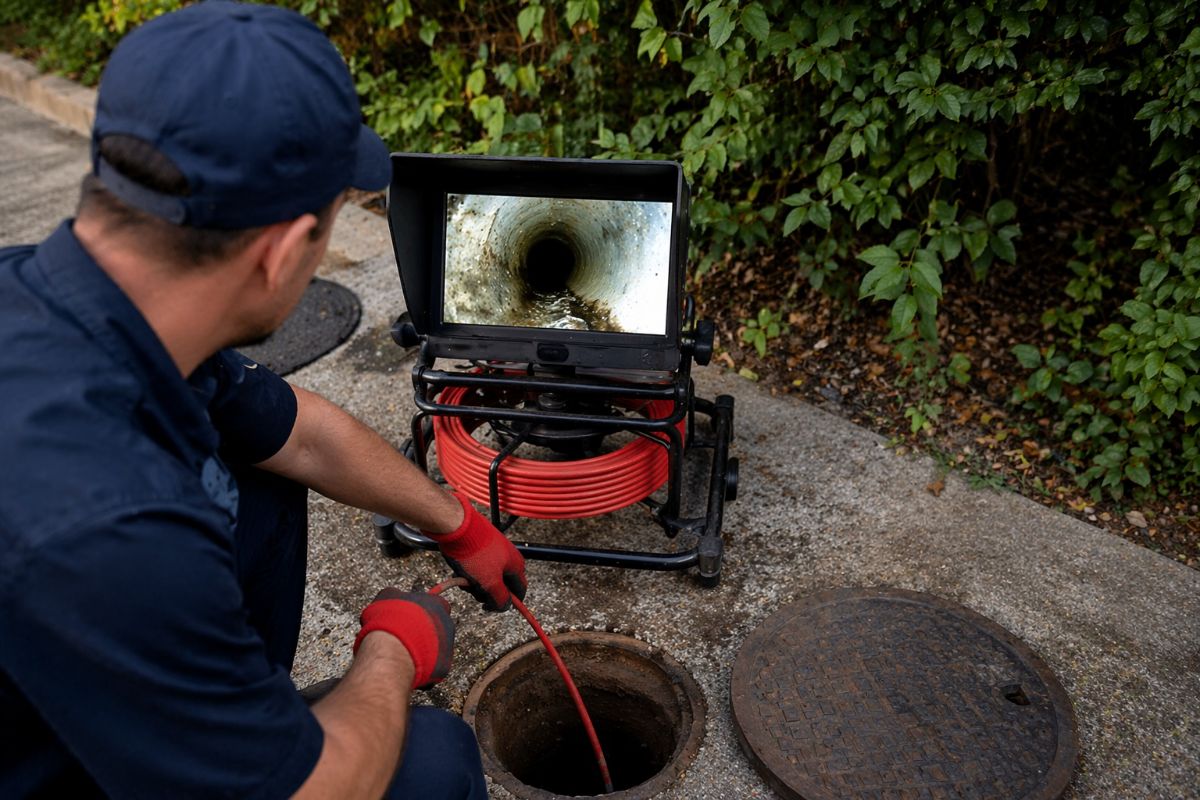
A drainage inspection is the first step toward fixing water problems that threaten a yard, basement, foundation, or septic drain field. Whether you notice soggy spots, recurring basement moisture, or standing water after storms, a methodical inspection reveals the cause and gives you options that prevent repeat failures.
Why a Drainage Inspection Matters
Water problems are rarely cosmetic. Poor surface drainage, clogged French drains, or failing foundation drains let water accumulate near a house, increasing the risk of mold, structural damage, and septic or sewer backups. A professional inspection reduces guesswork: it finds the source, explains the risk, and outlines durable fixes.
Common Signs That Trigger an Inspection
- Persistent wet or spongy areas in lawn or near foundations
- Basement dampness, efflorescence, or minor flooding after rain
- Slow draining in landscape beds or around downspouts
- Sewer or septic odors in the yard
- Visible erosion, gullies, or clogged catch basins
Tools and Terms You Might Hear
Knowing the common terms helps you understand the inspection results:
- French drain — A gravel-filled trench with a perforated pipe that redirects subsurface water.
- Sump pump — A pump in a pit that moves collected water away from the foundation.
- CCTV camera — A sewer/drain camera used to see inside pipes for blockages or breaks.
- Hydrostatic pressure — Pressure from groundwater that can push water into basements or through foundations.
- Catch basin — A surface drain that captures runoff and feeds underground pipes.
Step-by-Step: What Inspectors Do
Inspectors follow a structured process so recommendations are precise and cost-effective.
- Initial interview and site walk — We ask what you are seeing, when it happens, and any recent changes (landscaping, irrigation, construction). This context narrows the likely causes.
- Visual exterior inspection — The inspector checks roof drainage, gutters, downspouts, grading slope, driveways, and low spots. They look for blocked surface drains, failing swales, eroded areas, and evidence of improper slope toward the house.
- Foundation and interior check — In basements or crawlspaces, the inspector checks for moisture stains, active leaks, sump pump condition, and signs of hydrostatic pressure. Small tests of water intrusion points are sometimes performed.
- Underground drain and pipe inspection — For buried drains, French drains, or sewer-related concerns, a CCTV camera (video inspection) can be run through pipes to locate blockages, root intrusion, cracks, and misaligned joints.
- Functional tests — Flow tests with a hose or dye tests can confirm where water is moving. Sump pumps are tested for capacity and float action. Inspectors may probe soil saturation or use moisture meters to evaluate drain field and yard conditions.
- Elevation and grading review — Simple tools like a level or laser level confirm whether the yard slopes away from the house as required, or if regrading is needed to redirect runoff.
- Report and recommendation — You receive a clear explanation of findings, prioritized repair options (from small maintenance to full drain field or French drain replacement), estimated costs, timelines, and any code or municipal considerations.
Typical Findings and Solutions
Inspections commonly reveal one or more of the following:
- Poor grading: fix with regrading or adding swales to push water away
- Clogged gutters/downspouts: clean or extend downspouts to discharge farther from the foundation
- Blocked French drain or footing drain: flush, repair, or replace pipe and surrounding gravel
- Sump pump failure or undersized pump: replace or install a backup system
- Septic/drain field saturation: investigate for failure and recommend replacement or improved distribution
- Pipe damage or root intrusion: targeted repair or trenchless replacement where possible
How Long It Takes and What It Costs
A basic drainage inspection can take 60 to 90 minutes. More complex jobs involving video inspection, soil probes, or municipal coordination may take longer. Cost varies by scope and tools used; an on-site inspection with a clear report is the most cost-effective way to avoid unnecessary digging or repeated fixes.
Maintenance and Prevention Tips
- Keep gutters clean and direct downspouts at least 5 to 10 feet from the foundation.
- Monitor lawn low spots after heavy rain and regrade where needed.
- Service sump pumps annually and consider a battery backup.
- Trim tree roots near known sewer lines and schedule video inspections if roots are suspected.
A professional drainage inspection gives homeowners a clear diagnosis and a practical plan that saves time, prevents surprise repairs, and protects property value.
Conclusion
Drainage inspections find the real reason water is damaging your yard or home and present targeted, long-lasting fixes. Doing the inspection before serious damage appears saves money and stress down the road.
Worried about wet spots, basement moisture, or a failing drain field? Call Shamrock Construction & Excavation for a prompt, professional drainage inspection. Get straight answers, no surprises, and a plan to protect your property. Contact us today for a free estimate.