June 15, 2026 · Shamrock Construction & Excavation
Underground water line leaks are easier to miss than a broken indoor pipe. The line works out of sight, so the evidence shows up indirectly. Watch for these indicators.
How to Recognize a Leak
- Soggy or unusually green patches in the yard. A persistently wet or soft area, especially when the rest of the lawn is dry, often points to an underground leak.
- Sinkholes or depressions. Small collapses above the line form as escaping water washes soil away.
- Low water pressure. A sudden loss of pressure at multiple fixtures suggests a compromised main supply line.
- Higher water bills. An unexplained spike in usage is a common early red flag.
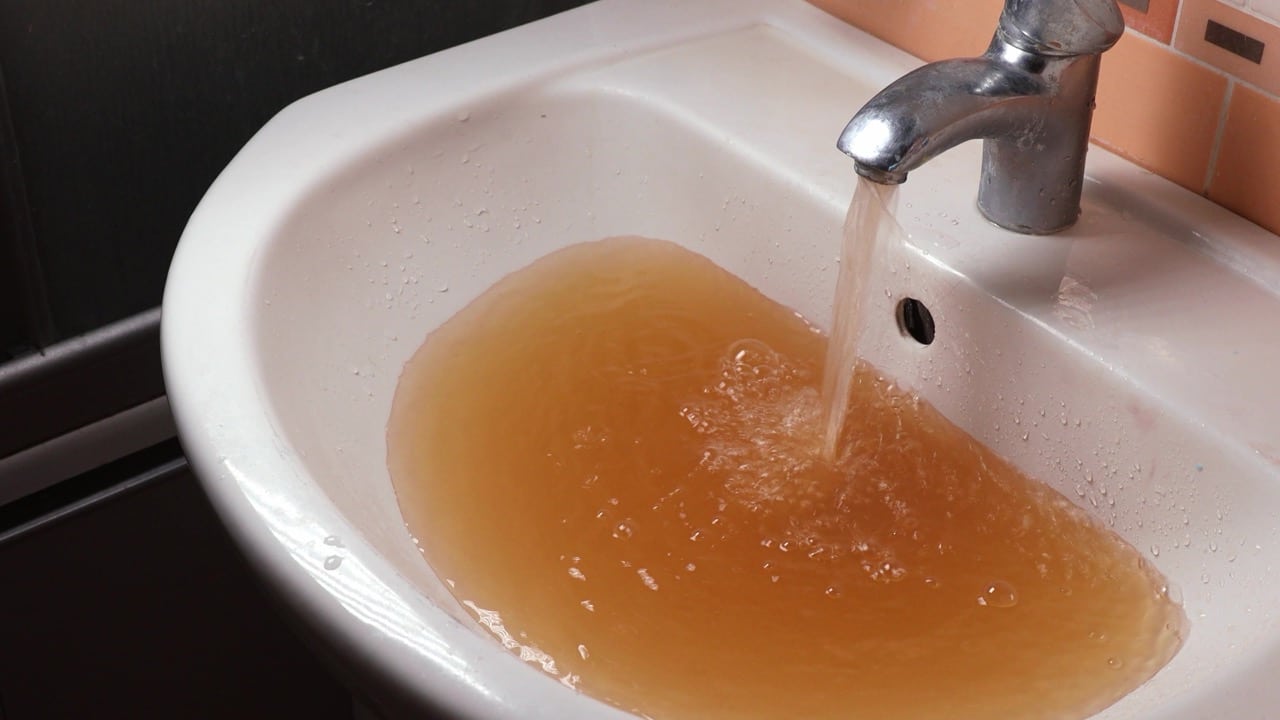
- Discolored or muddy water. Cloudy or rusty water can indicate pipe corrosion or infiltration from surrounding soil.
- Water meter running with everything off. If the meter moves while no water is in use, a leak is likely.
- Gurgling drains or unusual noises. Hissing or running water sounds when fixtures are off can signal a hidden leak.
- Wet foundation, basement seepage or mold. Leaks near the house saturate soil around the foundation and push moisture indoors.
Why Underground Water Lines Fail
- Pipe corrosion and material deterioration over time
- Root intrusion from nearby trees and shrubs
- Ground movement, freeze and thaw cycles, and shifting soils
- High system pressure stressing joints and fittings
- Acidic or highly mineralized soils accelerating wear
- Mechanical damage from construction or landscaping
How Pros Locate and Diagnose Leaks
- Utility locating before any digging, to avoid accidental strikes
- Acoustic leak detection: sensitive listening equipment picks up the sound of running water underground
- Pressure testing: isolating pipe sections to confirm leaks and estimate size
- Tracer gas or dye tests to reveal where water is surfacing
- Video inspection for accessible sections, showing cracks, corrosion or roots inside the pipe
Repair Options: From Spot Fixes to Replacement
- Spot repair or section replacement: digging to the damaged section and replacing only what is necessary
- Trenchless replacement: pipe bursting or relining with smaller excavations and less landscaping disruption
- Full line replacement: when pipes are extensively corroded, brittle or undersized
- Pressure regulation and soil correction to prevent repeat failures
After repairs, a pressure test and, if required, a municipal inspection confirm the line is code-compliant and leak-free. Proper site restoration leaves your yard looking normal.
What to Do Right Now
- Turn off nonessential water use and check your meter to confirm active loss
- Call a licensed, insured contractor experienced in water line work and excavation
- Do not dig near suspected lines without professional utility locating
- Document wet areas, unusual noises and bill changes to help technicians diagnose faster
- Ask about warranty, municipal inspection handling and site restoration
Why Choose an Experienced Excavation Team
Water line work is both plumbing and excavation. A one-call contractor with expertise in locating, repairing and restoring underground utilities reduces delays, minimizes property damage and ensures code compliance. Shamrock Construction & Excavation is licensed, insured and ready for emergency response across the Treasure Valley.
Conclusion
Underground water line leaks escalate quickly, but early detection and a professional response limit damage and cost. If you suspect a leak, see our water line repair services in Boise or call (208) 919-4260 for fast leak detection and a free estimate.