April 27, 2026 · Shamrock Construction & Excavation
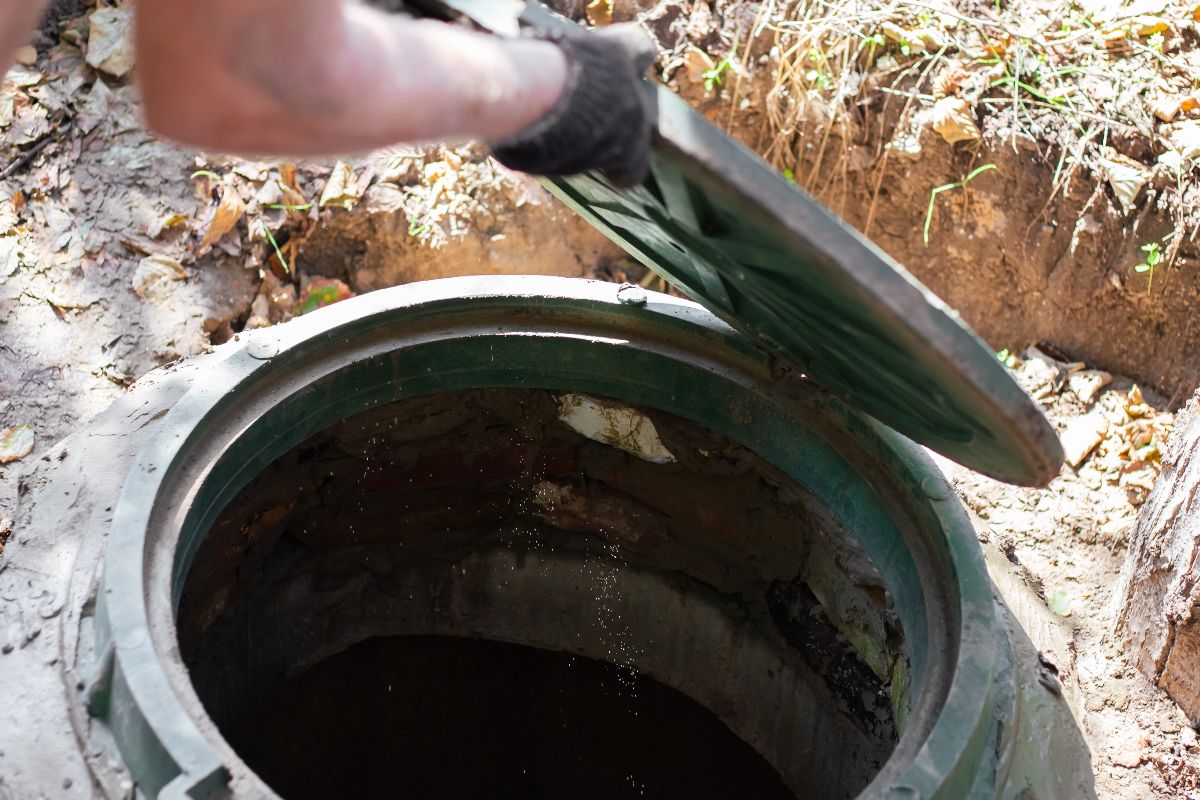
At its core, the choice is infrastructure versus on-site treatment. Municipal sewer lines carry household wastewater to a centralized treatment plant. A septic system treats and disperses wastewater on your property using a tank and drain field (leach field). Both handle the same job—collecting and treating wastewater—but they differ in responsibility, cost structure, and maintenance needs.
How each system works
Municipal sewer: Waste flows through sewer mains and laterals to a wastewater treatment plant where solids and contaminants are removed. The city or utility manages maintenance, repairs, and regulation compliance for the public lines. Homeowners are typically responsible for the sewer lateral connecting their house to the main.
Septic system: Wastewater flows into a septic tank where solids settle and scum rises. Liquid effluent exits to a drain field where soil microbes break down contaminants. Some properties use aerobic treatment units for higher performance. Proper soil percolation, tank sizing, and drain field design are critical for long-term function.
Pros and cons — quick comparison
- Septic system advantages: Lower monthly utility bills, independence from municipal services, long lifespan with proper maintenance, and a fit for remote or rural sites.
- Septic system disadvantages: Upfront installation cost, drain field failure risk, need for regular pumping and inspections, and strict setback and soil requirements.
- Sewer system advantages: Fewer on-site maintenance tasks, no drain field to fail, and predictable municipal oversight for public lines.
- Sewer system disadvantages: Monthly sewer fees, vulnerability to sewer backups and collapsed lines, and potential costly repairs to the lateral or municipal connection.
Costs and lifespan
Installation and repair costs vary with site conditions and local labor rates. Typical ranges:
- Septic system installation: $5,000 to $25,000+ depending on tank type, drain field complexity, and soil testing. Aerobic systems and engineered drain fields increase cost.
- Septic tank pump-outs and maintenance: $200 to $500 every 3-5 years for average households.
- Sewer connection or lateral repair/replacement: $2,000 to $15,000+ depending on length, depth, and method (trenchless pipe bursting vs open cut).
Typical lifespans: concrete septic tanks can last 30-40 years if maintained; drain fields may fail sooner if overloaded or if the biomat develops. Municipal mains can last decades, but homeowner laterals are often the weak link.
Maintenance, inspection, and warning signs
Septic care: Pump the tank regularly, avoid flushing grease or non-degradable items, minimize heavy water use that overloads the drain field, and protect the drain field from compaction and deep-rooted trees.
Sewer care: Avoid putting fats, oils, and large debris into the system; be aware of tree root intrusion and aging pipe materials. Municipal systems reduce on-site responsibility, but homeowners should watch for lateral issues.
Warning signs of trouble:
- Slow drains, recurring clogs, or toilets gurgling
- Soggy or unusually green areas in the yard (septic drain field failure)
- Sewer odors inside or outside the home
- Low water pressure or sudden discolored water (water line issues affecting sewer function)
Environmental and regulatory considerations
Septic systems discharge treated effluent locally. That makes proper design and maintenance crucial to protect groundwater and wells. Many jurisdictions require permits, soil percolation tests, and inspections for septic installs or drain field replacements. Municipal sewer connections often require permits and inspections too, and tapping into a sewer main may carry connection fees or assessments.
Decision factors: which is better for you?
Consider the following:
- Location: Is a municipal sewer available and practical? Rural acreage often requires septic.
- Budget: Compare upfront installation costs and ongoing fees. A sewer may mean lower maintenance but steady monthly bills.
- Property constraints: Soil type, lot size, and setbacks can rule out septic or make it costly.
- Long-term plans: If you plan to subdivide or sell, a sewer connection might improve resale value; conversely, a well-designed septic can be an asset in rural markets.
- Risk tolerance: Septic systems require owner attention; sewer systems shift most responsibility to the utility but can present sudden lateral failures.
When to call a pro
If you see signs of failure, need a permit-ready inspection, or are weighing replacement vs connection, call a qualified contractor to inspect and provide options. For homeowners in Canyon County and surrounding Idaho communities, Shamrock Construction & Excavating offers septic inspections, drain field replacement, sewer line repair, trenchless options, and permit-ready installations. We diagnose the real cause, explain straightforward options, and deliver the work with clear pricing—no surprises.
Common solutions contractors provide
- Septic tank repair, pump-out, and replacement
- New drain field design and installation
- Aerobic system service and upgrades
- Sewer lateral repair and trenchless replacement (pipe bursting)
- Video camera inspection to pinpoint blockages and root intrusion
Choosing between septic and sewer is not purely technical; it is a practical decision about cost, responsibility, and property goals. A local, experienced contractor can run soil tests, inspect existing infrastructure, and give a clear plan that matches your needs.
Conclusion
There is no one-size-fits-all answer. Septic systems work well for rural and remote properties when designed and maintained correctly. Municipal sewer offers convenience and less on-site maintenance but comes with connection costs and utility fees. Evaluate location, long-term costs, permit requirements, and your willingness to maintain on-site equipment when deciding.
Need help deciding or facing a problem now? Call Shamrock Construction & Excavating for fast, straightforward answers. We provide inspections, clear estimates, and experienced repairs or installations with 24/7 emergency service available. Contact us today to get a free estimate and peace of mind.