May 18, 2026 · Shamrock Construction & Excavation
When a Retaining Wall Becomes Necessary
Retaining walls are more than decorative landscape features. They are engineered structures designed to hold back soil, redirect water, and protect buildings, driveways, and planted areas. Consider a retaining wall if you notice any of the following:
- Sloped or terraced yards with soil erosion or washouts after rain.
- Soggy or unstable ground near foundations, driveways, or walkways.
- Need for usable flat space (gardens, patios, or steps) on a sloped lot.
- Soil pressure or sliding that threatens a structure or utility lines.
- Desire to control runoff, protect a drain field, or manage irrigation flow.
Common Types and Materials
Choosing the right retaining wall depends on height, load, aesthetics, and site conditions. Common options include:
- Segmental concrete block: Interlocking blocks that resist pressure and are popular for mid-height walls. Often reinforced with geogrid for additional strength.
- Poured concrete: Strong, continuous wall best for high loads, commercial sites, or where long-term durability is required.
- Treated timber or railway ties: Economical for small garden walls and terraces, but shorter lifespan in wet soil conditions.
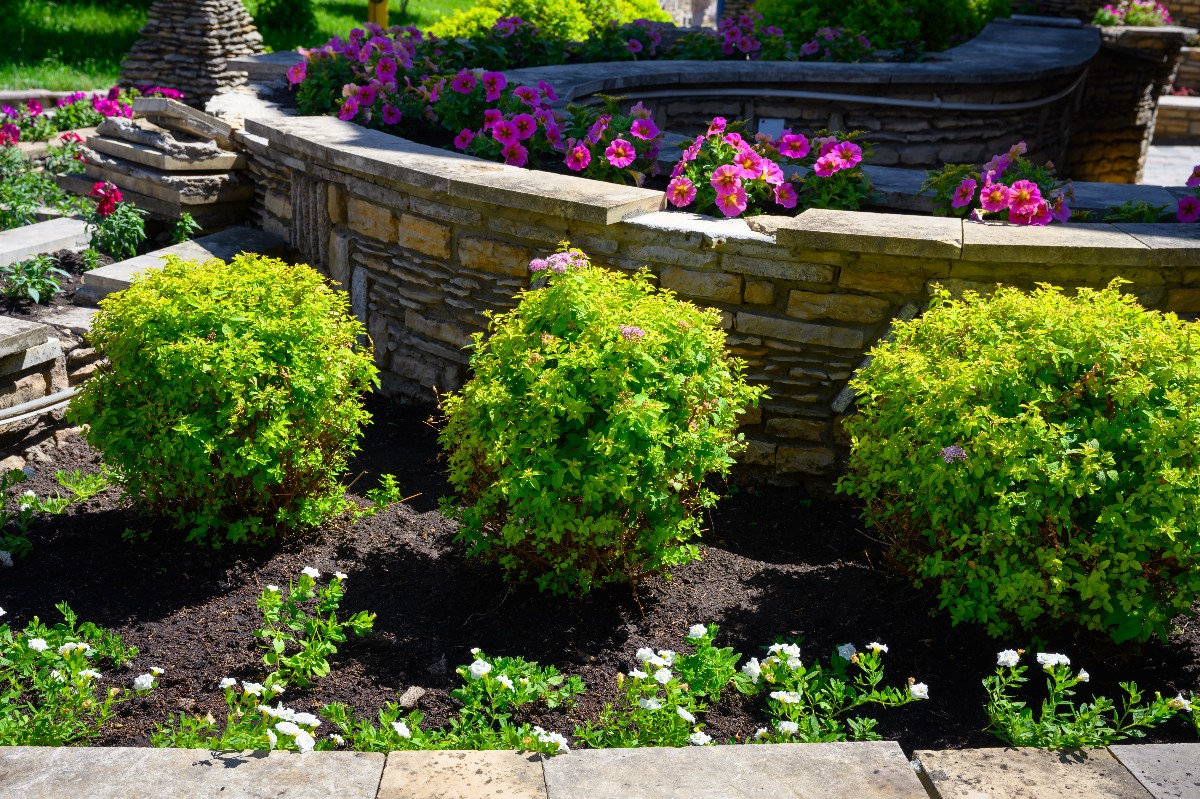
- Natural stone: Attractive and durable, ideal for lower walls or where aesthetic value is a priority.
- Gabion walls: Wire baskets filled with rock, good for drainage-heavy sites and rustic looks.
Key Technical Considerations
Good retaining wall performance depends on proper design and attention to drainage and soil mechanics:
- Drainage: Water behind a wall increases pressure dramatically. Proper backfill, drain pipes, and weep holes are essential to prevent failure.
- Foundation and footing: Even small walls need a compacted base or concrete footing to resist settling or frost heave.
- Reinforcement: For taller walls or weak soils, geogrid, deadman anchors, or reinforced concrete may be required to stabilize the slope.
- Soil type: Clay, sand, and mixed soils behave differently. A site inspection helps determine the correct design.
- Freeze/thaw and local climate: In Idaho and surrounding areas, frost depth and seasonal moisture cycles must be accounted for in footing design and material choice.
Permits, Codes, and Safety
Many jurisdictions require permits for retaining walls above a certain height or those supporting structures. Permits ensure the design meets local building codes and that inspections verify safe construction. Always check with local authorities before starting work. Shamrock Construction & Excavating handles permitting and inspection coordination to keep the process simple and code-compliant.
Costs and Lifespan
Retaining wall cost varies widely with material, height, site access, drainage needs, and soil conditions. Small, low timber walls can be relatively inexpensive but have shorter lifespans. Segmental block and properly engineered poured concrete walls cost more up front but can last decades with low maintenance. When budgeting, include site prep, drainage, erosion control, and any necessary permits or engineered plans.
Signs a Retaining Wall Is Failing
Early detection saves money. Watch for:
- Cracks, tilting, or bulging faces.
- Settling or gaps at the base of the wall.
- Excessive pooling or water flow behind the wall.
- Loose or eroded backfill material.
If you see these signs, call a professional quickly. Temporary fixes often hide the real problem, while a proper repair addresses drainage and structural issues to prevent repeat failures.
Benefits Beyond Function
Retaining walls provide practical benefits—stabilizing slopes, preventing erosion, and protecting foundations—but they also improve curb appeal and create usable outdoor spaces. Well-built walls can increase property value and reduce long-term maintenance costs by controlling runoff and preserving landscape features.
How Shamrock Approaches Retaining Wall Projects
At Shamrock Construction & Excavating, we combine local experience with clear communication and no-nonsense pricing. Our process typically includes:
- On-site inspection to evaluate slope, soil, drainage, and adjacent structures.
- Straightforward options and cost estimates so you can choose what fits your budget and goals.
- Permit coordination and engineered designs when required.
- Professional installation using the right equipment, quality materials, and controlled backfill and drainage methods.
- Site clean-up and reasonable restoration to protect landscaping and existing features.
We serve homeowners, acreage owners, and builders across Canyon County and surrounding Idaho communities. Our goal: a long-lasting solution, done right the first time, with predictable timelines and no surprises.
Conclusion
Retaining walls are often the right answer when erosion, unstable slopes, or drainage threaten your property. The right design and good drainage are essential. Choose materials and construction methods that match the site conditions and long-term goals to avoid repeat repairs and added expense.
Need a retaining wall or worried your existing wall may be failing? Contact Shamrock Construction & Excavating for a free on-site assessment.