May 11, 2026 · Shamrock Construction & Excavation
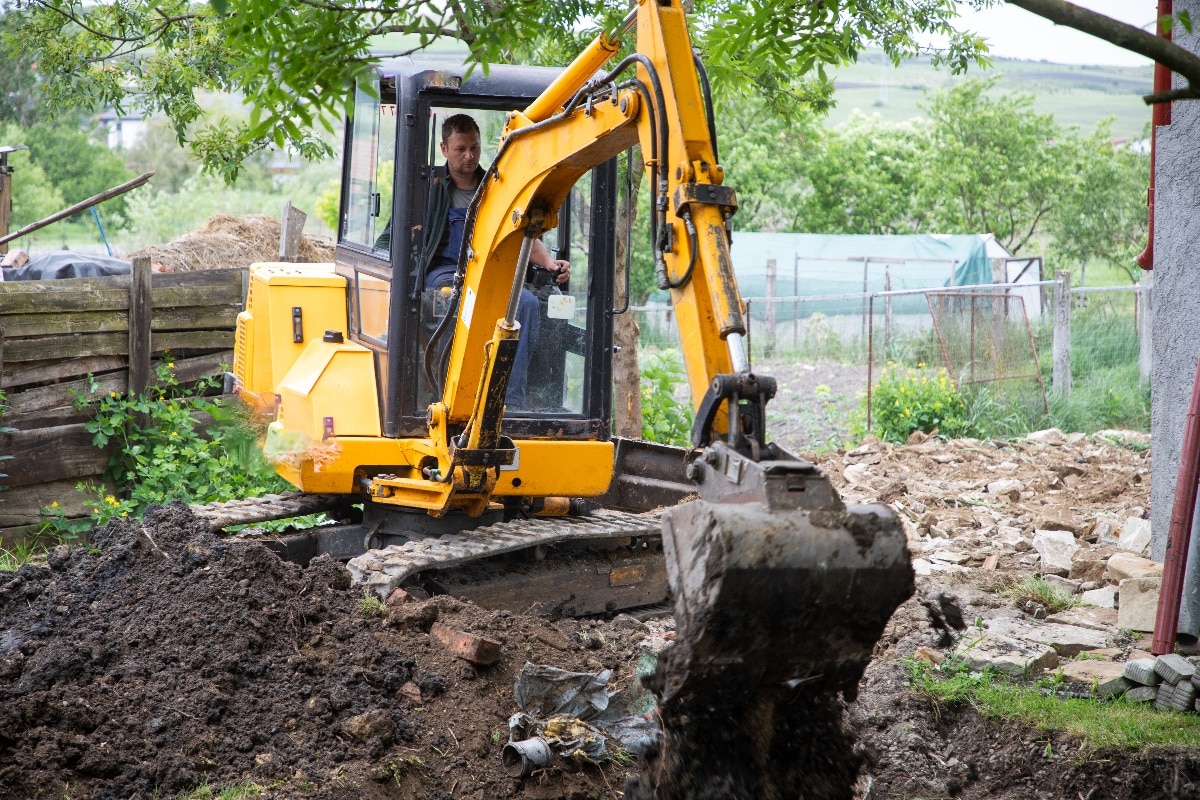
Hiring the right excavation contractor matters. Whether you have a soggy yard, a failing drain field, a collapsed sewer line, or need full site preparation for a new build, excavation work affects your home, schedule, and budget. Use these questions to evaluate contractors and get straightforward, confident answers that match Shamrock Construction & Excavating’s no-nonsense approach: clear communication, reliable timelines, and work done right.
1. Are you licensed, insured, and bonded?
Proper licensing shows compliance with local codes for septic, sewer, and utility work. Insurance and bonding protect you if an accident, property damage, or incomplete work occurs. Ask for proof and record company license numbers. A contractor who hesitates or refuses to show documentation is a red flag.
2. What experience do you have with projects like mine?
Experience in the specific type of work (septic systems, sewer repair, water line replacement, pond construction, or grading) reduces mistakes and speeds diagnosis. Ask about years in business, examples of similar projects, and local references. Local experience matters for soil conditions, freeze/thaw cycles, and permitting practices.
3. Can you provide references and recent project photos?
References validate workmanship, communication, cleanup, and timeliness. Photos show equipment, site protection, and finished results. If possible, speak with homeowners or builders who had similar work done.
4. What is included in the estimate and what could change the price?
A detailed, written estimate should list scope of work, materials, disposal, permit fees, restoration, and any allowances. Ask about common change-order triggers: unexpected soil conditions, hidden utilities, or additional permitting. Transparent pricing prevents surprise invoices.
5. Who will supervise the job and who is my point of contact?
A dedicated superintendent or project manager ensures consistent oversight, clear updates, and quick resolution of issues. Verify who will be on-site, who handles inspections, and how you will receive progress reports.
6. What permits and inspections are required and who pulls them?
Proper permits and municipal inspections keep the job code-compliant and protect property value. Confirm whether the contractor pulls permits, schedules inspections, and provides documentation for your records.
7. How will you locate and protect underground utilities?
Striking utilities is dangerous and expensive. Contractors should use locate services (811 in the U.S.), electronic locating tools, and hand-excavation near known lines. Ask how they will verify locations and protect existing infrastructure.
8. What equipment will you use and how will you limit property damage?
Modern equipment and skilled operators reduce time and disturbance. Ask about machine sizes, access methods for tight yards, matting or track protection for landscapes, and plans to minimize removal of turf and landscaping.
9. Do you offer trenchless or alternative repair options?
Trenchless techniques like pipe bursting or cured-in-place pipe can reduce surface disruption for sewer and water line replacement. Not every situation allows trenchless methods, but asking shows the contractor considers less-invasive options when appropriate.
10. How do you diagnose the problem? Will you use video inspection or leak detection?
Accurate diagnosis prevents unnecessary digging. Video sewer inspection, camera inspection, and electronic leak detection are standard tools for pinpointing the failure before repair. Ask for the diagnostic approach and whether additional fees apply.
11. What is the anticipated timeline and scheduling availability?
Excavation impacts other trades and daily life. A clear start date, estimated duration, working hours, and contingency plans for weather or permit delays give you predictability. If you need fast service, confirm emergency response times and 24/7 availability if offered.
12. How will you handle restoration and cleanup?
A completed job should leave the site tidy and restored as closely as possible to pre-project condition. Ask about topsoil replacement, seed, gravel, compaction, driveway repair, and debris removal. Expect a written restoration plan for larger projects.
13. What warranties or guarantees do you provide?
Materials and workmanship warranties protect you after the crew leaves. Ask for the length and coverage of warranties, whether vendor warranties apply to parts, and the process for warranty claims. A company that stands behind its work will explain post-job support clearly.
14. How do you manage safety and environmental concerns?
Excavation has safety and environmental risks—erosion, sediment runoff, septic contamination, and confined-space hazards. Confirm that the contractor follows OSHA rules, erosion controls, proper disposal of contaminated material, and protects wells and water sources.
Red flags to watch for
- Requests for large upfront cash payments without a clear contract.
- No proof of insurance or licensing.
- Vague estimates or refusal to provide a written scope.
- Pressure to skip permits or inspections.
- Poor or no references for similar work.
Asking these questions gives you confidence in selecting a contractor who will diagnose the real cause, protect your property, and communicate clearly at every step. Excavation is not just about digging; it is about planning, compliance, and restoring your site so the solution lasts.
Conclusion
Vet excavation contractors with a short checklist: verify licenses and insurance, confirm experience and references, ask for a written scope and cost breakdown, and insist on clear timelines, protection plans, and warranties. The right contractor protects your property and delivers a durable solution without surprises.
Need excavation, septic, sewer, or water line work done right? Contact Shamrock Construction & Excavating for a free estimate.