May 25, 2026 · Shamrock Construction & Excavation
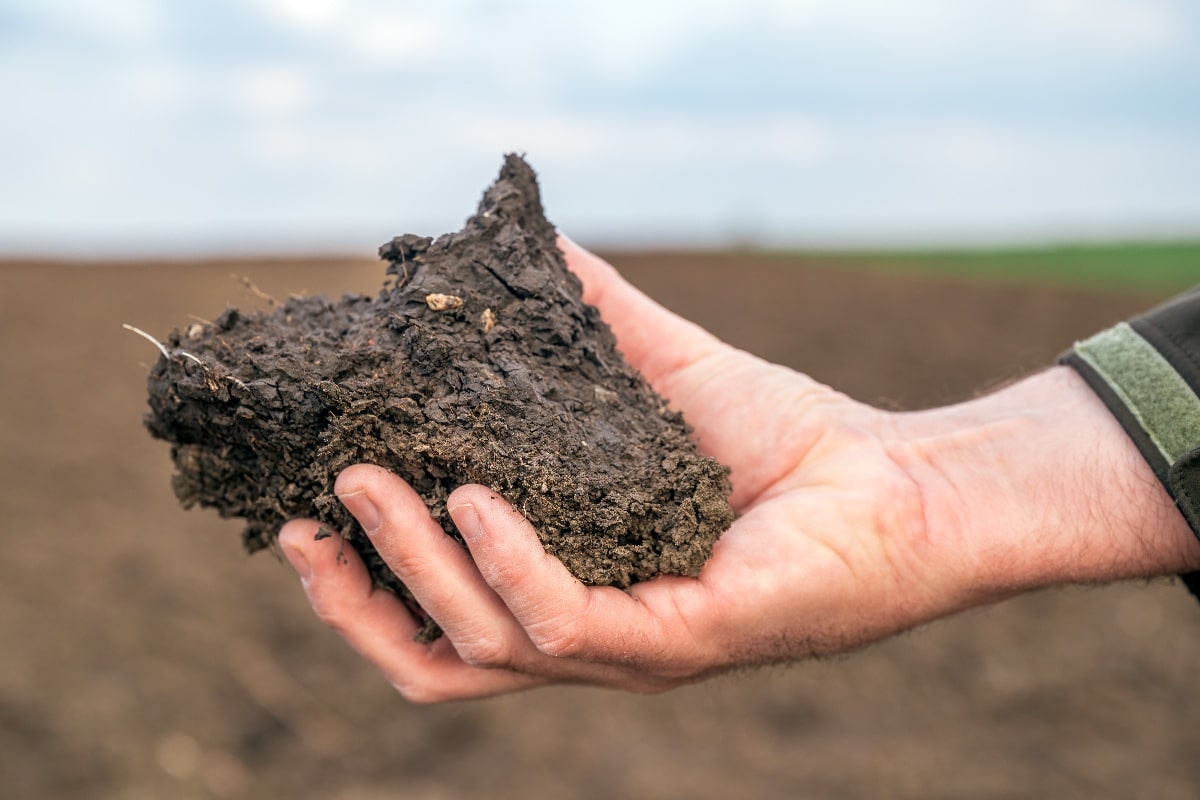
Why Soil Type Matters
Soil is not a neutral part of a jobsite. It determines how easily you can dig, how well a trench will hold up, how a drain field will drain, and how foundations react to freeze-thaw cycles. For homeowners, developers, and rural property owners in Idaho, a basic understanding of soil behavior reduces risk, prevents costly rework, and informs decisions about scheduling, permits, and materials.
Common Idaho Soil Types and Their Effects
- Clay: Fine-grained and cohesive. Clay expands when wet and shrinks when dry, causing heaving and settlement. It is difficult to compact properly and can hold water near foundations and septic drain fields.
- Sandy Soils and Gravel: Readily drained and easy to excavate. These soils compact well and provide good bearing capacity, but they may require shoring for deep trenches because they can collapse quickly.
- Silt and Loess: Common in river and valley deposits. Silty soils are prone to erosion and slumping, especially when wet. They may behave like liquid under saturation and need careful drainage solutions.
- Rock and Cobbles: Basalt and river rock are common in parts of Idaho. Rock increases labor and equipment needs, raises disposal costs, and may require blasting or rock saws for deep footings or utility trenches.
- Organic Topsoil: Soft, compressible, and unsuitable as structural backfill. Topsoil should be stripped and stockpiled for restoration, not used under footings or pipes.
- High Groundwater or Seasonal Saturation: Irrigation and shallow water tables in the Treasure Valley create saturated conditions that complicate sewers, drain fields, and foundation excavations.
How Soil Types Affect Specific Excavation Tasks
Site preparation, utility trenching, septic work, and foundation excavations all respond differently to soil conditions.
- Septic and Drain Fields: Sandy, well-draining soils are ideal. Clay and high water tables reduce percolation and may require alternative systems or engineered drain fields.
- Water and Sewer Lines: Trench stability is paramount. Cohesive clay may hold steep slopes but can smear and cause poor bedding. Loose sand needs trench boxes or benched slopes to prevent collapse. Proper bedding and compaction are essential to avoid pipe deflection.
- Foundations and Pads: Bearing capacity and frost susceptibility dictate foundation design. Frost heave is a real concern in freeze-thaw zones; soils with high moisture retention will move more, so deeper footings or frost-protected designs may be needed.
- Driveways, Parking Pads, and Grading: Compaction and subgrade preparation differ by soil. Sandy soils compact easily; clay needs drying and staged compaction. Geotextile and rock subbase can stabilize problem soils.
Practical Steps to Manage Soil Risks
Shamrock Construction & Excavation recommends these steps to keep projects predictable:
- Inspect and Test: Conduct a site visit and basic soil probe or hire a geotechnical test for major projects. Knowing bearing capacity and water table depth informs design and cost estimates.
- Strip Topsoil: Remove organic topsoil before structural fills and stockpile it for landscaping restoration.
- Plan Drainage: Keep water away from excavations. Temporary dewatering, site grading, and permanent drainage solutions protect trenches and drain fields.
- Right Equipment: Clay and rock require different machines and attachments. Choose excavators, rock buckets, or hydraulic hammers as needed to avoid delays.
- Use Proper Backfill: Place and compact engineered fill in lifts. Avoid reusing wet clay as structural backfill.
- Schedule Smart: Avoid digging during saturated seasons when possible. Late spring thaw or irrigation cycles can create soft conditions.
- Protect Slopes and Finish: Use erosion control measures like silt fence and re-seed disturbed areas promptly to prevent erosion on silty soils.
Local Considerations in Idaho
Idaho brings specific challenges: freeze-thaw cycles in Boise and surrounding valleys, irrigation return flows that raise shallow groundwater, and a mix of volcanic, alluvial, and loess soils across Canyon County and neighboring areas. Areas around Boise, Nampa, Meridian, and Caldwell may contain pockets of clay, sand, and cobble. Rural acreage can hide unexpected boulders or cobble layers that affect road and pond construction. Local experience matters: what works in one neighborhood may fail in the next.
When to Call the Pros
If you see soggy yard spots, settling, inconsistent compaction, or recurring septic problems, bring in experienced excavators. For any project involving foundations, septic drain fields, or utility trenches, a pre-construction site evaluation saves time and money. Shamrock Construction & Excavation provides on-site inspection, video locating for utilities, soil-aware grading, and code-compliant septic and water line solutions.
Conclusion
Soil type in Idaho directly affects excavation cost, timeline, and long-term performance. Understanding whether your site is clay, sand, silt, or rock, and whether groundwater is shallow, helps you plan the right approach for septic, trenches, foundations, and grading. Proper testing, drainage planning, and material selection prevent surprises and protect your investment.
Don’t wait until a failed drain field or a collapsed trench becomes an emergency. Contact Shamrock Construction & Excavation for a site evaluation, dirt-smart planning, and reliable excavation work tailored to Idaho soils.