July 20, 2026 · Shamrock Construction & Excavation
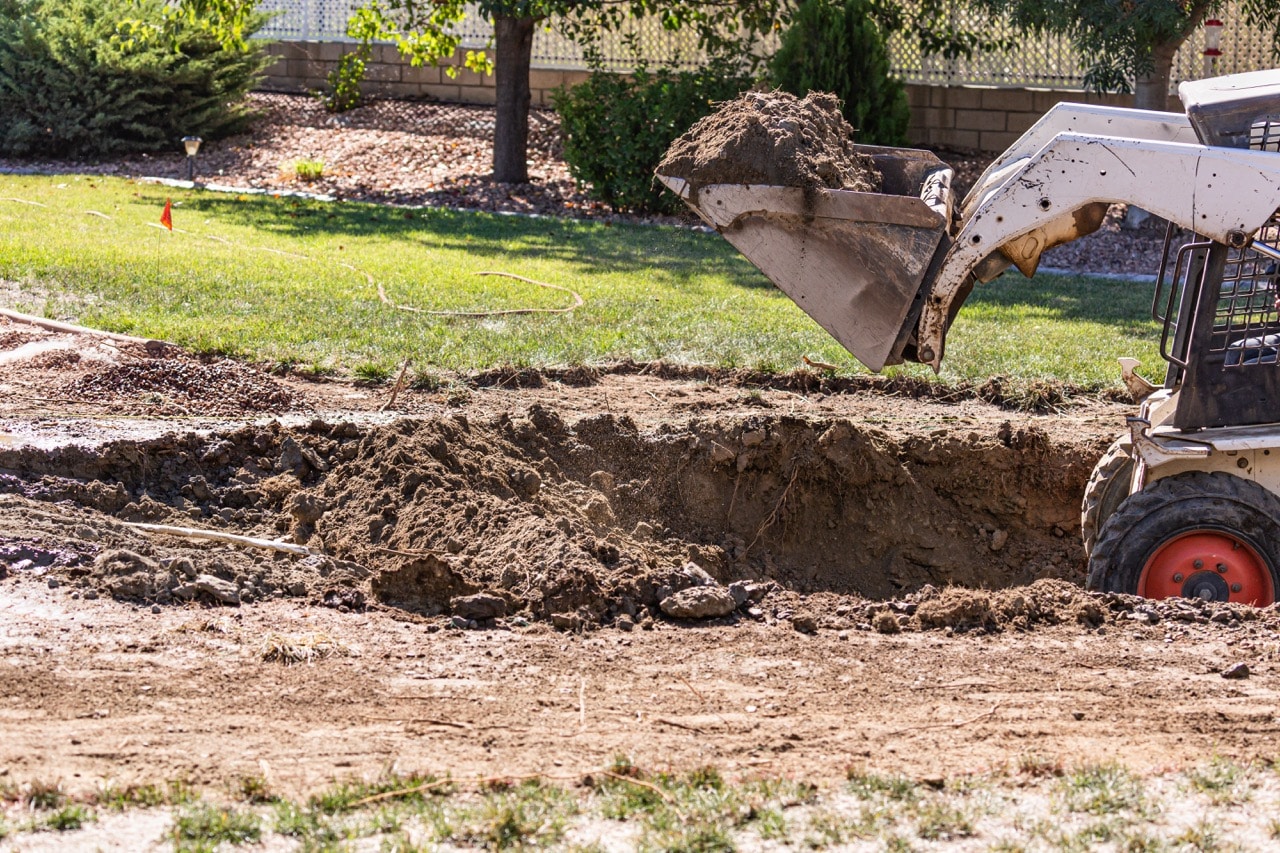
Excavation is more than dig and replace. It touches utilities, foundations, drainage and landscaping. A single oversight can lead to sewer backups, sinkholes, damaged water lines, failed drain fields or a collapsed trench. Here are the most common mistakes we see in the field, why they matter and how to avoid them.
Quick Definitions
- Trench shoring: temporary supports that prevent trench collapse
- Compaction: compressing soil to reduce future settling
- Video sewer inspection: a camera-led check inside pipes that finds blockages or damage without digging
- Trenchless pipe bursting: replacing pipe without long open trenches
1. Skipping Utility Locating
Striking an underground utility can shut down services, cause expensive repairs and create real safety hazards. Always call 811 before any digging. For complex sites, hire a professional locator with ground-penetrating radar or electromagnetic equipment, confirm the marks on site and keep the work area clearly marked.
2. Not Pulling Permits or Skipping Inspections
Permits ensure work meets local code, and inspections catch problems early. Unpermitted work risks fines, forced rework and trouble during a sale. A reputable contractor handles permit applications and coordinates inspections, and gives you the documentation.
3. Poor Trench Safety and Shoring
Trenches collapse quickly, and OSHA regulations exist for a reason. Use proper trench boxes, sloping or shoring based on soil type and depth. If a trench looks unstable, stop and reassess with a qualified professional.
4. Ignoring Soil Type and Compaction
Backfill that is not compacted to spec settles over time, causing uneven surfaces, sinkholes and foundation or driveway failures. Test soil when planning the job and use layered backfill with compaction testing for critical areas like building pads, driveways and under utilities.
5. Bad Grading and Drainage Planning
Incorrect grading sends water toward foundations, soggy yards and failing drain fields. Design grading to move water away from structures, and include French drains, swales or sump systems when needed, especially near septic systems.
6. Skipping Diagnostics for Sewer and Water Lines
Fixing the visible problem without diagnosing the root cause leads to repeat failures. Use video sewer inspection and pressure testing before major excavation so repairs are targeted and permanent.
7. Wrong Equipment or Inexperienced Operators
Undersized or oversized equipment damages property, slows work and raises cost. Match the machine to the job: mini excavators for tight yards, full-size machines for site prep. Ask about operator experience and equipment condition before work begins.
8. Poor Restoration and No Erosion Control
A poorly restored site creates trip hazards, erodes topsoil and damages landscaping, sometimes the neighbor's too. Put restoration in the contract: straw, silt fence, riprap, seed and mulch, plus final grading.
9. Underestimating Timeline and Costs
Excavation often uncovers hidden issues: roots, old pipes, rock or poor soils. Get a detailed scope of work with contingencies, and choose a contractor who explains when change orders are warranted. A dedicated superintendent keeps communication open and accurate.
Final Checklist Before You Dig
- Call 811 and schedule professional utility locating
- Confirm permits and inspections are in place
- Request a site-specific plan covering grading, drainage and erosion control
- Ask about compaction testing and restoration procedures
- Verify operator experience, insurance and a single point of contact
Conclusion
Most excavation failures are avoidable with planning, the right equipment and experienced operators. Need it done right? Shamrock Construction & Excavation handles excavation in Boise, plus septic, sewer, water lines and grading, with 24/7 availability and straightforward pricing. Call (208) 919-4260 for a free estimate.